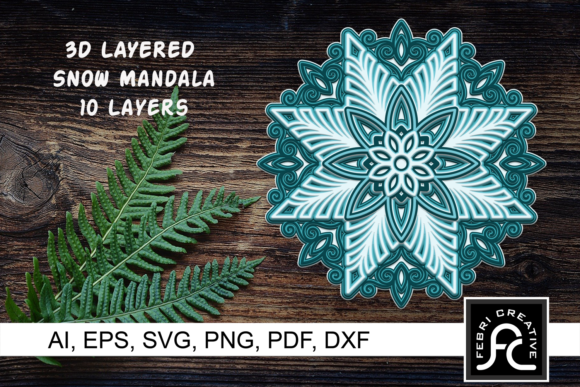
Reviewing the 3D Layered Snow Mandala Vol 3
As a designer who spends more time staring at stitch simulations than actual snow, I approach every new machine embroidery design with a mix of curiosity and skepticism. We have all been there: downloading a beautiful preview image only to find the embroidery file is a tangled mess of poor digitizing when it hits the hoop. That is why I took a close look at 3D Layered Snow Mandala - Vol 3. This isn’t just another winter graphic; it is a test of patience, precision, and thread management.
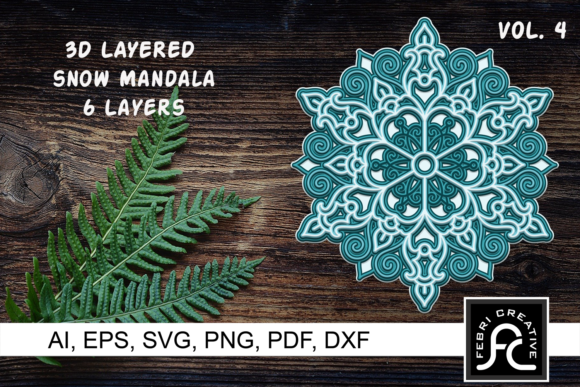
The first thing that strikes you about this collection is its structural ambition. The term "3D" in embroidery usually implies puff foam or heavy underlay, but here it refers to visual depth created through layering. When I unzipped the package, I found eleven SVG files, including one master file with all ten layers combined. For those of us working in Crafts and digital Graphics, having these layers separated is a gift. It allows for total control over color placement and stitch sequence, which is critical when you are trying to avoid thread breaks or excessive jump stitches.
The Real-World Test: A Holiday Tote Bag
To truly evaluate 3D Layered Snow Mandala - Vol 3, I needed a real project. I decided to create a custom holiday tote bag for a local boutique client. They wanted something festive but not childish, elegant but durable. A tote bag is the perfect canvas because it offers a flat, stable surface, yet the fabric can be tricky if it is too thin or too textured.
I started by importing the single-layer SVGs into my digitizing software to inspect the pathing. The mandala shape is inherently symmetrical, which is great for balance but dangerous for registration errors. If your hoop shifts even a millimeter, the layers won’t align, and the "3D" effect collapses into a blurry mess. I chose a medium-weight cotton canvas for the bag, paired with a cut-away stabilizer to ensure the fabric wouldn’t pucker under the weight of the threads.
The stitching process revealed the true nature of this design. Because it relies on ten distinct layers, you are looking at a significant amount of machine time. This is not a quick five-minute embroidered patch. It is a statement piece. As the needle moved, laying down each concentric ring of the snowflake pattern, I noticed how the design demanded high contrast in thread colors. Using similar shades of white or light blue made the layers disappear. Switching to a crisp white against a navy background, however, made the geometry pop. The interplay of satin stitch borders and fill stitch centers created a tactile richness that flat prints simply cannot match.
Where This Design Shines
This digital embroidery file is best suited for projects where the viewer has time to appreciate the detail. Think sweatshirt embroidery on the back of a high-quality fleece, or a centered motif on a pillow cover for winter home decor. The mandala’s radial symmetry makes it ideal for circular items like coasters or round patches. For Etsy sellers and small shop product creators, this design adds perceived value. Customers often equate complexity with cost, and a ten-layer mandala signals effort and craftsmanship.
It also works wonderfully for personalized gift items. Imagine this snowflake monogrammed with a name in the center, though you would need to ensure the inner layers are sparse enough to accommodate lettering without overcrowding. For holiday embroidery collections, this stands out because it avoids the cliché cartoonish snowmen in favor of geometric sophistication. It appeals to a mature demographic looking for custom apparel that feels boutique rather than mass-produced.
Caution Areas and Technical Constraints
However, 3D Layered Snow Mandala - Vol 3 is not without its challenges. You must be realistic about hoop size. Trying to cram ten layers into a four-inch hoop will result in microscopic stitches that may break or fail to register on the fabric. I recommend using at least a five-by-seven or larger hoop to allow the design to breathe. Additionally, be wary of stretchy fabric. The density of multiple layers can cause jersey knits to warp. Always use a strong stabilizer and consider backing the area with interfacing if you are working on thin materials.
Another critical consideration is stitch density. With ten layers, the cumulative thickness of the thread can become bulky. On a tote bag design or heavy canvas, this is fine. But on a delicate baby embroidery item or a lightweight silk scarf, it will feel stiff and uncomfortable against the skin. Test the design on scrap fabric first. Check how the layers stack up. If the bulk is too high, consider skipping every other layer or reducing the stitch count in the fill areas if your software allows for editing.
Dark fabrics present another hurdle. If you are stitching on black, you cannot rely on subtle shading. You need bright, reflective threads to make the layers visible. Conversely, on light fabrics, dark threads can show through the backside, so proper topping or careful bobbin thread selection is essential.
Commercial Viability and Brand Consistency
For commercial embroidery professionals, this design is a double-edged sword. It looks expensive, which helps justify higher price points for finished product sales. However, the production time is longer. You need to factor in the extra machine run time and the potential for trim jumps between layers. Efficiency matters in a production environment. If you are selling design assets or printable mockup previews, ensure your images accurately reflect the layered nature of the work. Misleading customers with a flattened image can lead to dissatisfaction when they realize the complexity involved.
Before listing any items made with 3D Layered Snow Mandala - Vol 3 on your craft business platform, confirm the licensing terms. While the download includes SVGs for crafting, commercial use rights for embroidered goods can vary. Always read the specific license included in the ZIP file. Assuming you have the right to sell, this design can become a signature element of your brand. Its intricate, icy aesthetic suggests precision and care, qualities that build customer trust.
Final Designer Notes
If you decide to use this applique design or standard embroidery file, keep these practical tips in mind:
- Test on scraps: Never run a ten-layer design on your final garment without a test stitch-out.
- Check contrast: Use high-contrast thread colors to define the layers clearly.
- Stabilize heavily: The weight of the threads requires robust support to prevent puckering.
- Verify hoop capacity: Ensure your machine and hoop can handle the physical size of the full mandala.
- Inspect small details: Zoom in on the SVG files to check for any tiny, unnecessary stitch points that could cause breaks.
In conclusion, 3D Layered Snow Mandala - Vol 3 is a powerful tool for designers who understand the mechanics of embroidery. It is not a plug-and-play solution for beginners, but for experienced makers, it offers a pathway to creating stunning, high-value handmade product lines. Whether you are decorating caps, aprons, or kitchen towels, this design demands respect for its complexity but rewards you with a finished look that is truly captivating.