Reviewing TwoinOne Box for Real Embroidery Projects
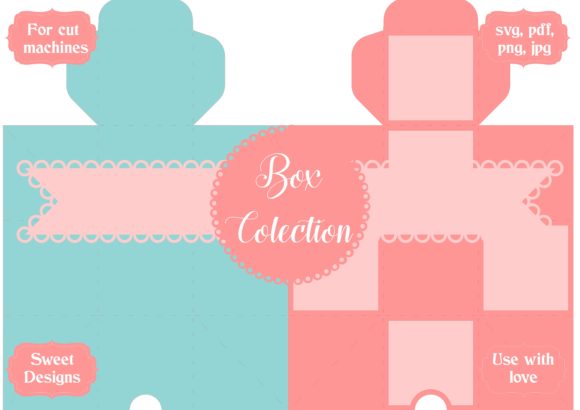
As a designer who has spent years translating digital concepts into thread, I have learned that the gap between a screen preview and a stitched reality is often where projects succeed or fail. When I first encountered TwoinOne Box, my immediate reaction was not just about aesthetics, but about structural integrity. This design falls under the category of Shapes, specifically marketed as a 3D SVG, which immediately raises questions about how it translates to the flat, textured medium of fabric. In this review, I am evaluating TwoinOne Box not as a static image, but as a functional asset for real-world embroidery applications.
First Impressions and Visual Personality
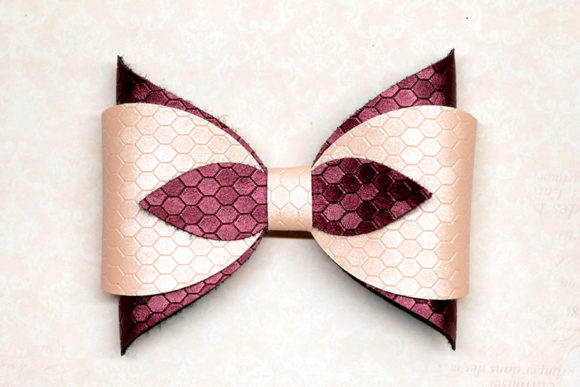
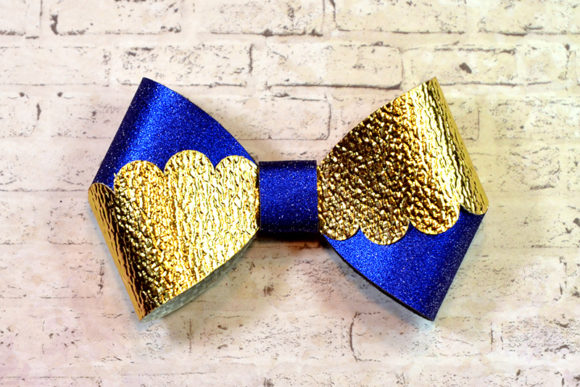
The initial appeal of TwoinOne Box lies in its geometric clarity. It possesses a clean, modern mood that avoids unnecessary clutter. For embroidery designers, this simplicity is a double-edged sword. On one hand, clean lines are easier to stitch cleanly; on the other, they leave no room for error. The visual personality of this shape suggests versatility. It does not scream for attention with intricate details but rather offers a solid foundation for customization. When I look at the layout, I see a design that respects negative space, which is crucial for maintaining the drape and feel of the final finished product.
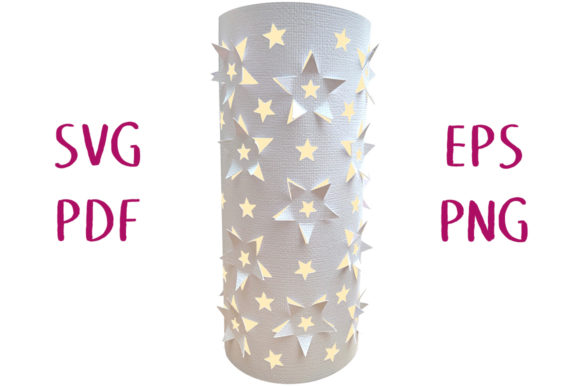
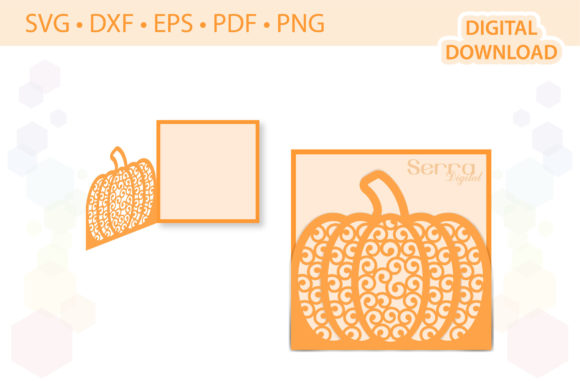
The inclusion of multiple file formats—specifically the SVG File for Cricut, Silhouette, Sizzix, and more, along with high-resolution PNG and JPG files—indicates that this asset is intended for hybrid workflows. However, as an embroidery specialist, my focus remains on how the core shape behaves under the needle. The 3D SVG designation implies depth, which in embroidery terms usually requires careful manipulation of stitch density and thread direction to create the illusion of volume without creating a stiff, cardboard-like patch.
Real-World Application: The Custom Tote Bag Test
To truly understand the value of TwoinOne Box, I mentally placed it on a heavy canvas tote bag, a staple item for many Etsy sellers and craft business owners. In this scenario, the design serves as a central branding element or a decorative accent. The geometric nature of the shape holds up well against the coarse fabric texture of canvas. Unlike delicate floral motifs that can get lost in the weave, the bold lines of TwoinOne Box remain distinct.
I also considered its application on a fleece sweatshirt. Here, the challenge shifts. A sweatshirt embroidery project requires managing pile height. If the design relies heavily on fill stitch areas, it must be dense enough to cover the fabric but not so dense that it causes puckering. The shape’s structure suggests it could work beautifully with a combination of satin stitch borders and lighter fill interiors, creating a professional look that appeals to customers seeking high-quality custom apparel.
Navigating Technical Challenges
While TwoinOne Box is versatile, there are specific scenarios where caution is required. Embroidering on stretchy fabrics, such as jersey knits for baby embroidery items, demands rigorous stabilization. The rigid geometry of the shape can distort if the fabric shifts during stitching. I strongly advise using a cut-away stabilizer for these projects to ensure the design retains its crisp edges after washing.
Another critical consideration is hoop size. If you are working with a small hoop, such as a 4x4 inch frame for an embroidered patch or a cap, you must verify the scaled dimensions of the design. Tiny details can become indistinguishable when reduced. Furthermore, when stitching on dark fabrics, the choice of thread colors becomes paramount. High contrast is necessary to make the shape pop, but one must also consider the visibility of any underlying running stitch outlines that might peek through lighter threads.
Curved surfaces present another hurdle. Placing TwoinOne Box on a baseball cap requires careful digitizing adjustments that may not be present in the base file. The flat perspective of a 3D SVG does not automatically account for the curvature of a crown. Designers should test the design on scrap fabric that mimics the curve of the final product to check for distortion.
Enhancing Brand Value and Customer Trust
For small shop product creators, consistency is key to building brand trust. TwoinOne Box offers a neutral yet distinctive shape that can be adapted across various product lines, from kitchen towel accents to holiday embroidery gifts. Its adaptability allows for cohesive branding. When customers see a well-executed geometric design on a personalized gift, they perceive a higher level of professionalism compared to overly complex, messy stitches.
The availability of a PDF File alongside the digital assets is particularly useful for creating printable mockup materials or instruction sheets for DIY kits. This adds value for digital product sellers who want to offer a complete package. By presenting a clean, professional design asset, you enhance the perceived value of your handmade product, leading to better buyer engagement and potential repeat business.
Practical Designer Notes for Implementation
Before committing to a full production run, I recommend a series of practical tests. First, always stitch out TwoinOne Box on scrap fabric identical to your final material. This allows you to assess the actual stitch density and adjust tension if necessary. Check the back of the embroidery to ensure there are no excessive jumps or loose threads that could irritate skin, especially for baby clothes or aprons.
Review the license terms carefully. While the product includes files suitable for cutting machines like Cricut and Silhouette, confirm whether the embroidery usage rights extend to commercial sales of finished physical items. Many commercial embroidery projects require explicit permission for mass production. Additionally, test the design in black and white mockups to ensure the shape remains recognizable without color reliance. This is crucial for accessibility and for clients who prefer monochromatic aesthetics.
Finally, consider the interplay of light and shadow. Since this is marketed as a 3D SVG, think about how different thread sheens—such as matte cotton versus shiny rayon—can enhance or diminish the three-dimensional effect. A well-chosen thread color palette can turn a simple shape into a standout feature of your embroidery project.
In conclusion, TwoinOne Box is a robust design asset that rewards thoughtful execution. It is not merely a shape but a tool for creating professional, marketable goods. By respecting the technical limitations of embroidery and leveraging the design’s geometric strengths, makers can produce items that stand out in a crowded marketplace. Whether you are creating a tote bag design for a local market or a bespoke wedding gift, this shape offers the reliability and style needed for successful outcomes.