Reviewing the Simple Bow Template for Embroidery Projects
As a designer who spends half my life staring at stitch files and the other half troubleshooting hoop tension, I have learned to be skeptical of anything labeled "simple." In the world of machine embroidery, simple can mean elegant and efficient, or it can mean lazy and poorly digitized. When I first pulled up the Simple Bow Template, I was looking for that sweet spot where minimalism meets functionality. This isn't just a graphic; it is a structural element that needs to hold its own on fabric, thread, and ultimately, in the hands of a customer.
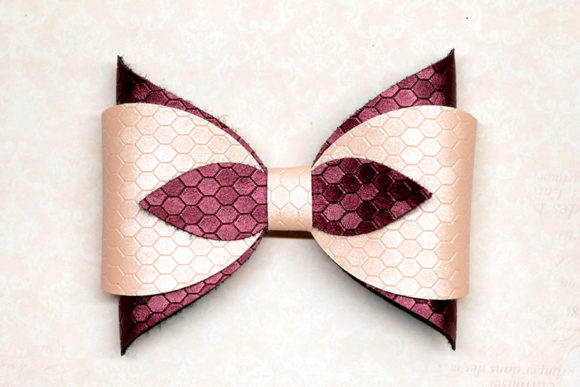
The first impression is one of clean versatility. The design does not scream for attention with excessive detail or complex shading. Instead, it offers a classic silhouette that feels timeless. For those of us creating handmade products, this neutrality is a strength. It allows the texture of the material and the quality of the stitching to take center stage. Whether you are working with a glossy faux leather or a soft, napped felt, the shape adapts without losing its identity. It feels like a design that belongs in a well-curated boutique rather than a cluttered discount bin.
Real-World Application: The Custom Tote Test
To truly evaluate a design, you have to imagine it in a real-life scenario. I recently worked on a batch of custom canvas tote bags for a local bridal party. The brief called for something chic but understated. I considered using the Simple Bow Template as a central motif above the monogram. Because this asset is categorized under Shapes and available as a 3D SVG, it offered flexibility that standard flat embroidery files sometimes lack.
In this context, the bow served as a visual anchor. On the sturdy canvas, I opted for a dense satin stitch border to give it definition, while keeping the interior fill light to prevent puckering. The result was crisp and professional. The clients loved how the bow added a touch of femininity without overwhelming the personalized names. It transformed a basic utility item into a cherished personalized gift. This is the kind of practical application where a good template shines—it elevates the perceived value of the finished product without requiring hours of complex digitizing work.
Material Versatility Beyond the Hoop
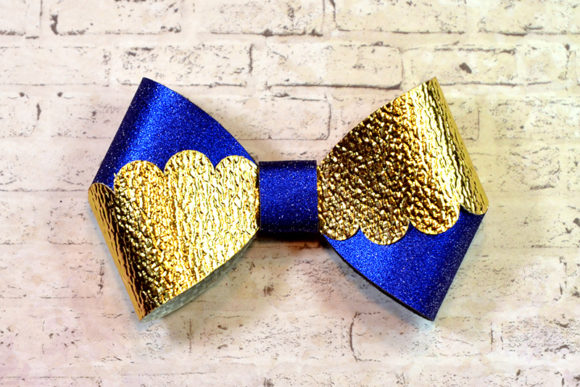
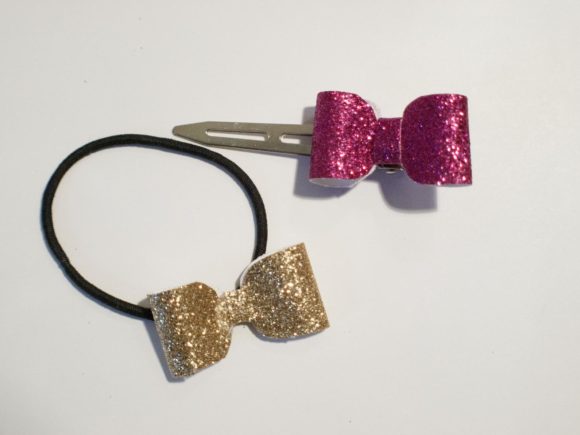
One of the most intriguing aspects of this template is its dual nature. While we often think of embroidery strictly in terms of thread and fabric, the description notes that these bows can be made using a cutting machine or scissors from materials like faux leather, glitter vinyl, felt, glitter EVA, laminated fabric, or paper. This suggests that the Simple Bow Template is not just an embroidery file but a comprehensive design asset.
For the Etsy seller or craft business owner, this versatility is gold. You can create mixed-media items. Imagine a sweatshirt embroidery project where the bow is stitched in thread, but layered over a cut-out piece of glitter vinyl for added dimension. Or consider a holiday embroidery ornament made from stiffened felt, where the template guides the cutting process before any stitching begins. This multi-use potential means you are not just buying a single-use pattern; you are investing in a flexible component for your creative toolkit.
Navigating Technical Challenges
However, simplicity can be deceptive when it comes to technical execution. There are specific scenarios where you need to proceed with caution. If you are planning to use this on stretchy fabric like jersey knits for baby embroidery items, the stability of the bow shape is critical. Without proper stabilizer support, the curves of the bow can distort during washing. I always recommend testing the design on scrap fabric first, especially if you are using a fill stitch that might pull the fabric inward.
Additionally, pay close attention to stitch density. On thin fabrics or dark materials, a sparse stitch count might allow the background to show through, breaking the illusion of a solid shape. Conversely, too much density on delicate fabrics can cause perforation. For curved surfaces like caps or hats, the rigid structure of a bow might not lay flat unless it is scaled down significantly or adapted into an applique design format. Always check the hoop size compatibility with your machine before committing to a large production run.
Enhancing Brand Consistency and Visual Appeal
From a branding perspective, consistency is key. Using a recognizable shape like the Simple Bow Template across different product lines—such as tote bag design, aprons, and pillow covers—creates a cohesive look for your small shop product lineup. Customers begin to associate that clean, classic bow with your brand’s quality. It builds trust because the aesthetic is reliable.
When creating printable mockup previews for your online store, this design performs exceptionally well. Its clear lines translate nicely into digital images, helping potential buyers visualize the custom apparel or home decor item. A clean digital embroidery file makes for cleaner marketing materials, which directly impacts buyer engagement. In a crowded marketplace, clarity sells.
Practical Notes for the Serious Maker
Before you launch this design into your next commercial embroidery project, here are a few practical steps to ensure success:
- Test Thread Contrast: Try the design in both matching and contrasting thread colors. A monochromatic look offers subtlety, while high contrast highlights the shape’s geometry.
- Check Licensing: Since this is a versatile asset, confirm whether the license allows for selling finished items or if it is restricted to personal use. This is crucial for design assets intended for commercial embroidery.
- Inspect Small Details: Zoom in on the vector or stitch file. Look for any jagged edges or unnecessary nodes that could cause machine hesitation.
- Mockup in Black and White: Remove color from your preview to judge the shape’s integrity. If it looks good in grayscale, it will look good in any color palette.
Ultimately, the Simple Bow Template is a reliable tool for the modern maker. It respects the intelligence of the designer by providing a solid foundation without imposing rigid constraints. Whether you are creating a delicate embroidered patch for a denim jacket or a bold statement piece for a wedding gift, this design holds up under scrutiny. It is a reminder that in design, less is often more, provided that the "less" is executed with precision and care.