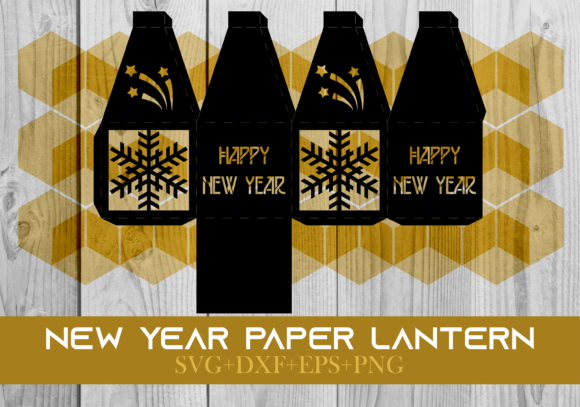
Review: Happy New Year Paper Lantern Series 0013
As a designer who has spent countless hours digitizing and testing files for client work, I have learned that not every festive graphic translates well to thread. When I first pulled up the Happy New Year Paper Lantern Series 0013, my initial reaction was one of cautious optimism. The concept is charming, evoking the warm glow of holiday celebrations, but the devil is always in the details when it comes to machine embroidery. This review breaks down how this specific design performs in real-world applications, moving beyond the digital preview to assess its viability for commercial and personal projects.
First Impressions and Visual Personality
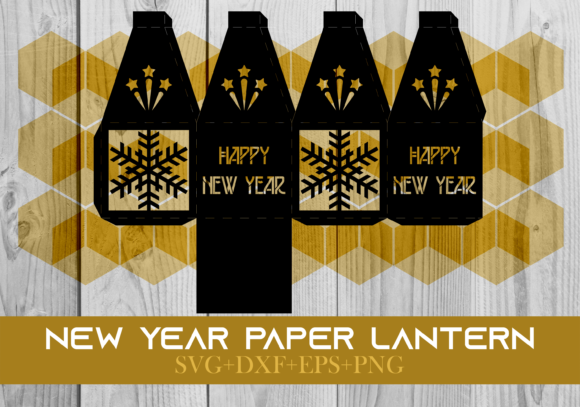
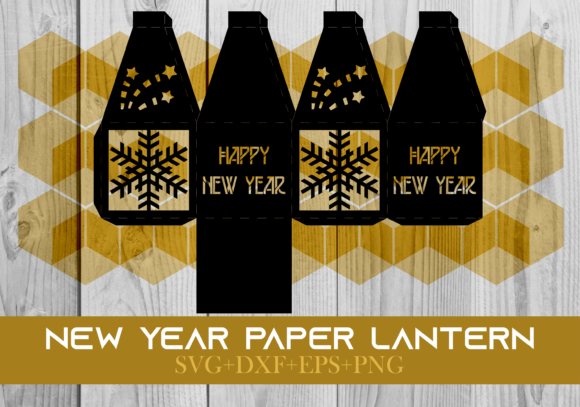
The mood created by this lantern design is inherently cozy and celebratory. It captures the essence of winter holidays without relying on overly complex religious iconography, making it versatile for a broad audience. Visually, the layout suggests a balance between decorative flair and structural simplicity. For an embroidery project, this is crucial. Overly intricate paper-cut styles often fail when translated into stitch because the nuance of thin paper lines gets lost in thread bulk.
However, looking at the shape category, this design appears to rely on bold outlines and solid fills rather than microscopic details. This is a positive sign for durability. The visual personality feels handcrafted yet polished, which is exactly what customers look for in a high-quality handmade product. It does not scream "mass-produced," which adds value to any item it adorns.
Real-World Application Scenarios
To truly evaluate a machine embroidery design, you must imagine it stitched out. I mentally placed this lantern on several common substrates to test its versatility.
- Custom Apparel: On a heavyweight sweatshirt, the lantern would serve as a striking chest piece. The solid areas would provide good coverage, hiding the fleece texture underneath. For a t-shirt, however, I would be cautious about stitch density pulling the fabric.
- Tote Bag Design: This is perhaps the ideal application. Canvas provides the stability needed for larger fill stitches. A Happy New Year Paper Lantern Series 0013 embroidered on a natural cotton tote creates an instant holiday gift item that feels premium and thoughtful.
- Home Decor: Imagine this on a pillow cover or a kitchen towel. On a tea towel, the design needs to withstand frequent washing. If the stitch count is too high in small areas, puckering may occur after the first wash. On a pillow, it acts as a seasonal accent that can be swapped out easily.
- Baby Items: For baby embroidery, softness is key. If this design uses dense satin stitch borders, it might feel scratchy against sensitive skin. I would recommend using a soft backing stabilizer and testing the hand-feel before selling these as personalized gifts.
Technical Considerations for Embroiderers
While the aesthetic is appealing, the technical execution determines whether a craft business owner can profit from this asset. Since the product description mentions it fits on an 8.5 x 11.7 sheet, we can infer a certain scale, but embroidery requires different metrics.
Stitch Density and Fabric Texture
The primary concern with lantern designs is the representation of light and shadow. In embroidery, this is achieved through thread colors and stitch direction. If the design relies heavily on fill stitch to create the lantern's body, ensure your machine handles long runs without thread breaks. On textured fabrics like wool or terry cloth, a lighter density is preferable to prevent the design from sinking into the pile. Conversely, on smooth cotton or polyester blends, standard density should yield crisp results.
Hoop Size and Placement
Before loading the file, confirm the hoop size required. While the digital file may be scalable, resizing embroidery files can distort stitch angles and increase density unintentionally. If you are working with a small hoop, such as a 4x4 inch cap hoop, this design might need to be simplified or reduced significantly, which could compromise the legibility of any text or fine lattice work within the lantern structure. Always check the design in a black and white mockup to see if the contrast holds up at smaller sizes.
Stabilizer Selection
For a design of this nature, a cut-away stabilizer is generally safer for garments that will be washed repeatedly, while tear-away may suffice for decorative items like wall hangings or holiday ornaments. If you are stitching on stretchy fabric, such as a jersey knit for a custom apparel line, a fusible stabilizer is non-negotiable to prevent distortion during the stitching process.
Commercial Viability and Brand Consistency
For Etsy sellers and small shop owners, the question is not just "does it look good?" but "will it sell?" The Happy New Year Paper Lantern Series 0013 has strong giftability. It fits neatly into the narrative of cozy winter evenings and fresh starts. When used in a boutique branding context, it signals attention to detail.
However, consistency is key. If your brand focuses on minimalist, modern aesthetics, ensure this design aligns with your existing portfolio. If your shop specializes in traditional holiday motifs, this lantern serves as a lovely addition to your Holiday decor lineup. It works well as a standalone element or as part of a larger composition involving snowflakes or typography.
From a customer trust perspective, clean stitching builds reputation. A poorly digitized lantern with jagged edges or loose threads will harm your brand more than no design at all. Therefore, running a test stitch on scrap fabric identical to your final product material is essential. Check for thread color contrast; metallic threads can enhance the "lantern" effect but may require slower machine speeds and specialized needles to prevent shredding.
Practical Designer Notes
Before integrating this digital embroidery file into your production workflow, consider the following steps:
- Test on Scrap Fabric: Never skip this step. Verify that the stitch density does not cause puckering on your specific material.
- Check Thread Colors: Simulate the design with your actual thread inventory. Does the red pop against the green? Do the golds look muddy?
- Inspect Small Details: Zoom in on the digital preview. Are there tiny islands of satin stitch that might pull out? If so, consider merging them or adjusting the underlay.
- Confirm Licensing: The description notes it is a download, but always verify if the license allows for commercial use of finished products. Some designers allow selling physical items but prohibit reselling the digital file itself.
- Evaluate for Curved Surfaces: If applying this to a cap or a curved mug sleeve via sublimation transfer (if applicable), ensure the design elements do not distort awkwardly around the curve.
In conclusion, the Happy New Year Paper Lantern Series 0013 offers a promising foundation for festive embroidery projects. Its strength lies in its thematic clarity and potential for warm, inviting aesthetics. However, its success depends entirely on the executor’s attention to technical details like stabilizer choice, fabric compatibility, and stitch optimization. For the experienced maker, it is a versatile asset; for the beginner, it is a good lesson in managing fill stitches and holiday expectations. Treat it with the care it deserves, and it will likely become a staple in your seasonal collection.