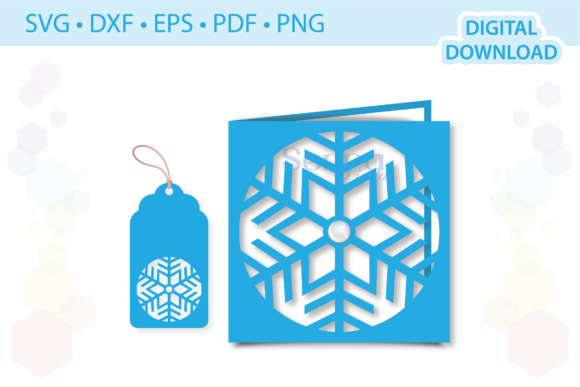
3D SVG Christmas Card Template Review
As a graphic designer who has spent the last decade refining brand identities and creating marketing visuals for small businesses, I approach every new graphic design asset with a critical eye. It is not enough for a file to look pretty in a preview thumbnail; it must hold up under the pressure of real client deadlines, varied print conditions, and strict brand guidelines. Recently, I integrated the Christmas Card Template into a seasonal campaign for a boutique handmade goods shop, and the results offered valuable insights into how this specific digital product performs in a professional workflow.
First Impressions and Visual Mood
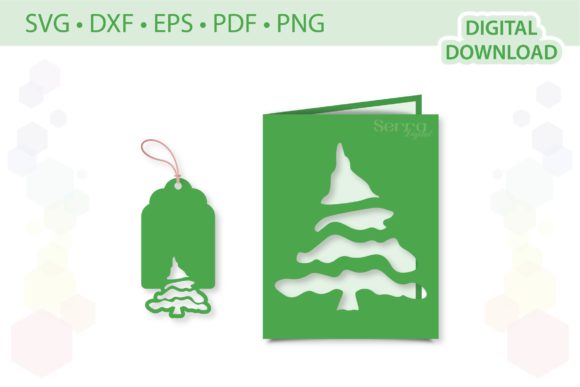
The immediate appeal of this Christmas Card Template lies in its structural depth. Unlike flat vector illustrations that can sometimes feel one-dimensional on screen, this asset leverages a 3D SVG aesthetic that creates an illusion of layering and volume. For a client looking to evoke warmth and nostalgia without resorting to cliché clipart, this style strikes a sophisticated balance. The visual mood is festive yet refined, making it suitable for brands that want to appear approachable but polished. It does not scream "holiday sale" in a chaotic way; instead, it whispers elegance, which is crucial for high-end brand identity projects.
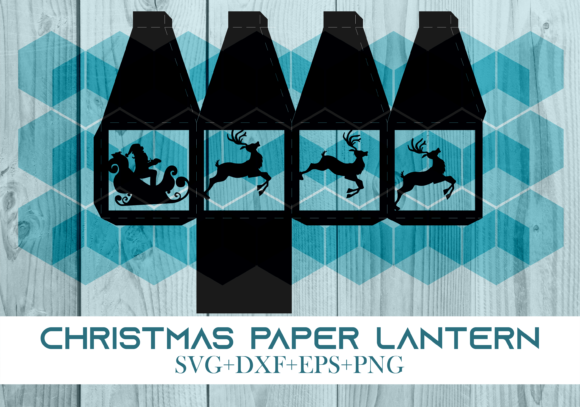
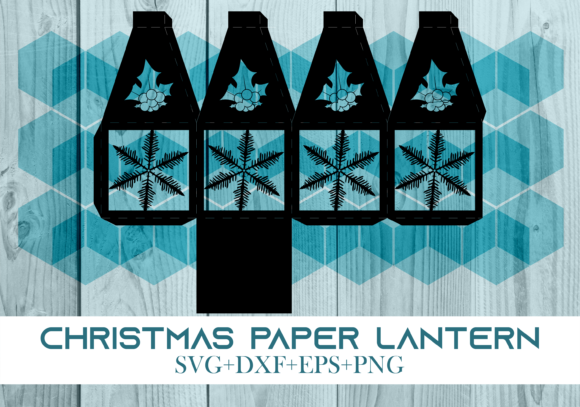
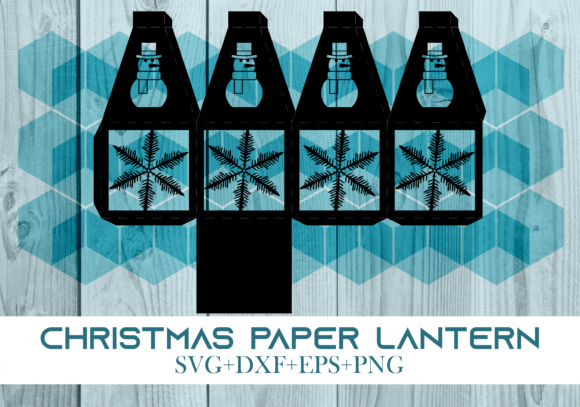
When I first unzipped the archive, I was pleased to find a comprehensive design bundle. Having access to multiple formats is non-negotiable for modern designers. The inclusion of SVG, DXF, EPS, PDF, and PNG files ensures compatibility across various software ecosystems, from Adobe Illustrator to Cricut Design Space. This versatility is what separates a hobbyist clipart pack from a professional commercial design resource.
Performance in Real Client Projects
In practical application, I tested this asset across several touchpoints for my client’s holiday launch. The primary use case was packaging design for their limited-edition gift sets. The 3D SVG nature of the file allowed me to manipulate the layers slightly in vector software, adjusting the depth perception to match the physical texture of the matte cardboard boxes. This level of control is essential when creating product mockups that need to look realistic before going to print.
Beyond packaging, the template proved effective for social media graphics. I created a series of Instagram posts and Pinterest pins where the transparent PNG background played a vital role. Because the PNGs are provided at 300 DPI with clean transparency, placing the illustration over textured backgrounds or gradient overlays did not result in jagged edges or white halos. This cleanliness is often missing in lower-quality clipart found in generic creative marketplaces.
For clients involved in print-on-demand or those running an Etsy product shop, this asset is particularly valuable for sublimation design and t-shirt design. The vector files (SVG, EPS, DXF) ensure that the design can be scaled infinitely without losing resolution. Whether it is being cut on a vinyl cutter for a Cricut project or printed large format for a window display, the integrity of the lines remains sharp. This scalability is a key factor in maintaining visual hierarchy and professionalism across different mediums.
Strategic Placement and Limitations
While the Christmas Card Template is versatile, it is not a universal solution for every layout. It works best in areas where it can breathe. I found it most effective as a hero graphic on landing pages, a central focal point on printable design wall art, or a decorative accent on stickers and labels. In these contexts, the intricate details of the 3D SVG structure contribute to the overall modern design aesthetic.
However, designers should exercise caution when using this asset in crowded layouts. Because the design has inherent visual weight due to its layered appearance, placing it alongside busy typography or complex marketing visuals can clutter the composition. It is less suitable for minimalist corporate branding where clean, sans-serif fonts and ample white space are paramount. In such cases, the ornate nature of the illustration might clash with the desired visual trust and simplicity. Additionally, when working on small-scale items like business cards, ensure that the finest details do not get lost in printing. Always test print quality before committing to a full run.
Impact on Brand Consistency and Engagement
Using a cohesive graphic design asset like this helps reinforce small business branding. When customers see the same high-quality visual language on a Canva template, a physical sticker design, and a website banner, it builds recognition and emotional appeal. The festive yet professional tone of this Christmas themed asset helps humanize the brand, fostering a connection with the audience during the holiday season. It elevates the perceived value of the products, suggesting that the business cares about details.
Practical Designer Notes for Implementation
Before integrating this digital download into your next client project, consider these technical checks:
- Test in Black and White: Convert the SVG to grayscale to ensure the contrast holds up without color. This is crucial for cost-effective single-color printing methods often used in handmade business packaging.
- Check Contrast: Preview the PNG on both light and dark backgrounds. While the transparent background is clean, ensure the design elements remain visible against complex textures.
- Inspect Vector Editability: Open the SVG and EPS files in your preferred vector editor. Check if the paths are closed and if the layers are logically organized. This makes customization for specific logo design adaptations easier.
- Typography Pairing: Experiment with different font styles. This asset pairs well with elegant script fonts for a traditional feel or bold sans serif fonts for a contemporary look. Avoid overly decorative display fonts that might compete with the 3D SVG details.
- Verify Licensing: Always confirm the commercial license terms. Ensure that the usage rights cover your specific client needs, whether for web design, editorial design, or physical merchandise.
In conclusion, the Christmas Card Template is a robust addition to any designer’s library of design assets. It bridges the gap between digital convenience and tactile quality, offering a professional solution for creative design challenges. By understanding its strengths in packaging design, social media graphics, and printable design, and respecting its limitations in minimalist contexts, you can leverage this tool to create compelling, high-converting visuals for your clients.